
Is hemp worth it? 6 facts before you buy
Hemp fabric is worth it if you want a natural fiber that becomes softer and yet holds its shape with wear instead of breaking down the way synthetics do. Modern hemp textiles, especially the hemp-cotton and hemp-linen blends available now, feel closer to soft linen than burlap.
I've spent years sourcing and sewing with natural fibers, and hemp is the one customers ask me the most questions about; most of what they've heard is either outdated or borrowed from marijuana headlines that have nothing to do with the plant used for cloth. Here's what's helpful to know when shopping for hemp clothing.
Key takeaways
-
Hemp fabric comes from the stalk of the industrial hemp plant, which contains virtually no THC and has been legal to grow in the U.S. since the 2018 Farm Bill.
-
Turning hemp into fabric has six main steps: retting, decortication, scutching, hackling, spinning, and weaving.
-
A 2023 water-footprint review covering 28 published studies found hemp requires 38% less crop water and up to 91% less irrigated water than cotton (Journal of Agrometeorology).
-
Hemp softens with each wash rather than pilling or wearing thin, which is why well-made hemp pieces tend to last and last..
-
Hemp breathes and wicks moisture well, which matters if hot flashes or temperature swings have made you rethink your closet.
- Hemp can work alone in a garment, but it's often blended with organic cotton, linen, or Tencel to get more drape and softness right from the first wear.
What is hemp fabric, exactly?
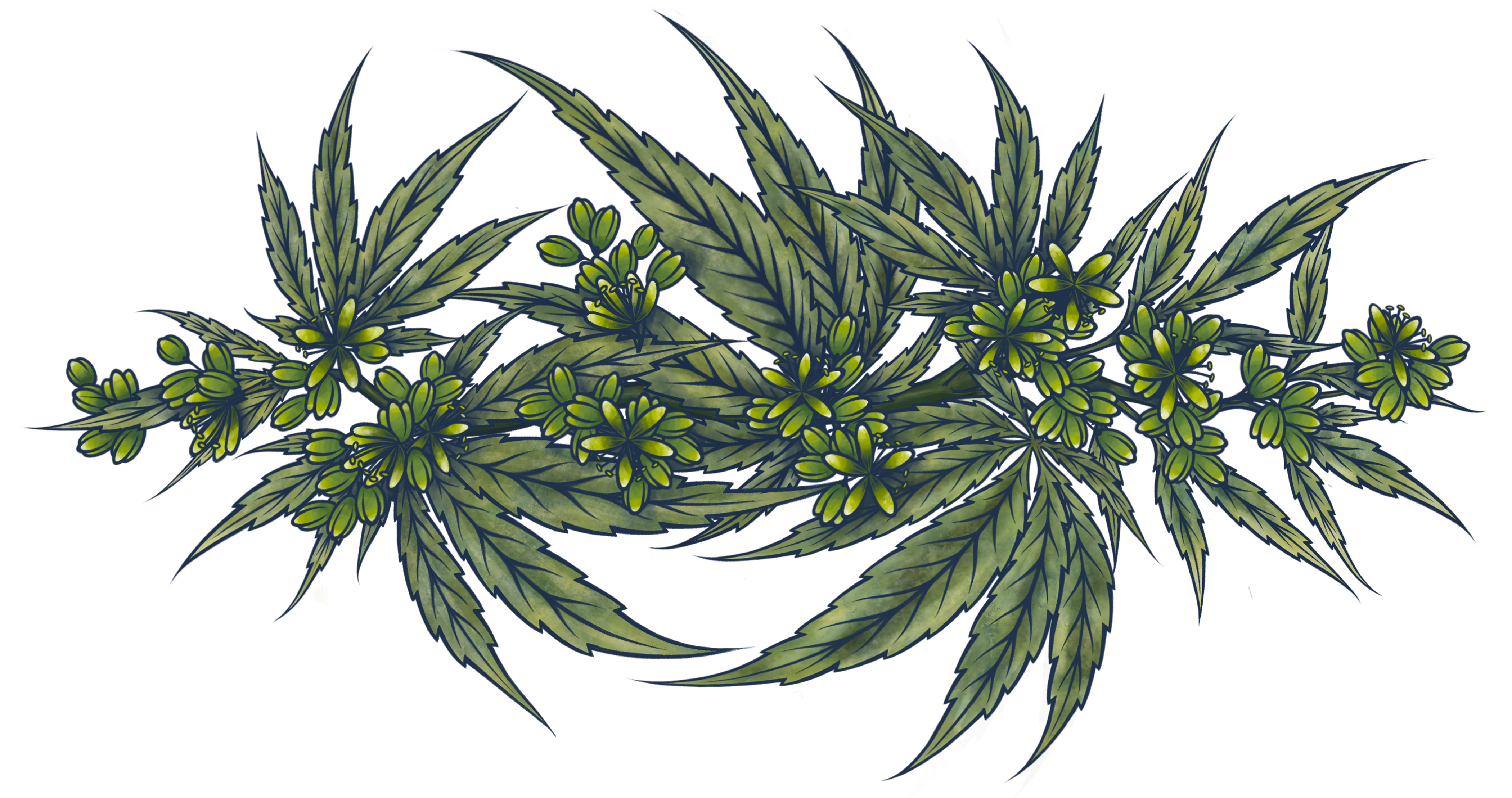
Hemp fabric is woven from the long bast fibers found in the outer stalk of the industrial hemp plant (a cousin of the cannabis plant), grown specifically for fiber, seed, and oil rather than for THC content. Industrial hemp contains a fraction of a percent of THC, nowhere near enough to have any effect on the person wearing it, and it was re-legalized for U.S. farmers under the 2018 Farm Bill after decades of prohibition tied to marijuana laws.
Before that ban, hemp was one of the most common textile fibers in the world. Sailcloth, rope, and heavy-duty work clothing were often made from it because the fiber is unusually strong and holds up well when wet. What's changed in the last few years is processing: newer decortication and spinning methods are producing softer, finer hemp yarns, which is why hemp clothing today feels nothing like the stiff hemp fabric of decades past.
How is the hemp plant turned into a textile?
Hemp becomes fabric through a multi-step process that starts in the field and ends at the loom: cultivation, harvesting, retting, decortication, fiber preparation, spinning, and weaving or knitting. Each step shapes how soft, strong, or fine the final cloth turns out.
If you're curious what the finished result actually feels like on the body, it's easiest to see in person, our collection showcases hemp in its softer, wearable form. It's a far cry from the stiff rope-grade version people may remember.

How does hemp compare to cotton on water and land use ?
Hemp uses meaningfully less water than cotton at every stage of production, according to a 2023 review in the Journal of Agrometeorology that pooled data from 28 prior studies. That review found hemp has a 38% lower crop water requirement, a 60% lower overall water footprint, an 84% lower crop irrigation requirement, and a 91% lower irrigated water footprint compared with cotton. Put simply: even in the driest growing regions, hemp asks a lot less of the water supply than conventional cotton does.
Hemp also tends to produce more usable fiber per acre than cotton and needs little to no pesticide, since its dense growth habit naturally crowds out weeds. None of this makes hemp perfect, retting does require water, and processing infrastructure in the U.S. is still in development, but on the numbers that matter most for a drought-prone growing season, hemp is the more efficient crop.
What does hemp actually feel like to wear?
After years of sewing with it, here's the honest take I'd give a friend: hemp doesn't need to be in every piece of your wardrobe to be worth loving. Hemp on its own can run stiffer and drape less softly than linen, which is why I reach for it most for structured pieces — a relaxed pant, a jacket, a skirt with some body to it — and blend it with organic cotton or Tencel for anything that needs to move with you, like a wrap top or a flowy dress.
What hemp does as well as any other natural fiber is temperature regulation.
Hemp and linen are both bast fibers, and they share many of the same characteristics. Hemp is breathable in heat, insulating in cooler weather, and it wicks moisture rather than holding it against the skin, which is a real, practical relief if you're managing hot flashes or just don't want to feel damp by 2 p.m. Hemp also resists odor better than cotton because the fiber structure doesn't hold onto bacteria.. This results in garments that need washing less often, which is gentler on both the garment and your laundry routine.
Durability is hemp's superpower. Hemp fiber is stronger than cotton, and hemp cloth tends to both soften and relax while holding its structure. A well-made hemp piece is one of the things in a closet that will genuinely get more comfortable with age rather than less, which, if you're rebuilding a wardrobe around comfort in this stage of life, is worth its weight in gold.
Where does hemp fit in a natural fiber wardrobe?
Hemp is a wonderful addition to your natural fiber wardrobe, on its own or blended with another natural fiber depending on the garment and its use. This will of course depend on the fabric itself, its weight and weave. But do know that if the textile contains hemp, you're likely to be enjoying it for some time to come. Pair hemp with linen for warm-weather structure, with organic cotton for everyday softness, and let it anchor the pieces that need to hold their shape through a full day of wear; pants, skirts, and jackets, more so than draped tops or dresses.
If you're starting from scratch, perhaps the easiest way in is with a single hemp-blend bottom you can build outfits around, rather than replacing your entire closet in one order. Our shop-our-natural-fiber-dresses-1 collection and tops collection are where I'd start layering in lighter natural fibers around it, and our customer-favorites collection is a reasonable shortcut if you'd rather see what other women in a similar stage of life have already chosen and kept.
How do you find hemp clothing that's actually made ethically in the U.S.?
Ask directly, if a product page doesn't say. A brand that ethically manufactures in the U.S. should be able to answer without hesitation, and most will list it plainly. We write about exactly this kind of label-reading and sourcing questions in more detail on our blog, if you’d like the fuller picture before you buy your first piece.
Frequently asked questions
Is hemp fabric the same as marijuana? No. Hemp fabric comes from industrial hemp, a variety of the cannabis plant bred for fiber and seed rather than THC content, and it contains only trace, non-psychoactive amounts of THC. The two are legally and agriculturally distinct, and industrial hemp has been federally legal to grow in the U.S. since the 2018 Farm Bill.
Does hemp fabric shrink? Hemp can shrink somewhat in the first few washes, similar to linen, mostly because the fiber relaxes as it loses residual processing tension. Due to this, we wash and dry every piece of Goddess Gear after it's cut and sewn, so you won't need to worry about further shrinkage.
Is hemp fabric warm or cool to wear? Both, depending on the weave and blend and weight of the fabric. Hemp's hollow fiber structure makes it breathable in heat and better at trapping warmth in cooler weather, which is part of why it works well as a year-round base fiber.
How do I know if a hemp garment is good quality? Check for a specific fiber content listing hemp by percentage, feel for softness, and look at the weave. If you'd like a shortcut, our customer-favorites collection is a good starting reference for what a well-made hemp or hemp-blend piece feels like.
Where can I buy ethically made hemp clothing in the U.S.? Look for brands that disclose both fiber origin and where the garment was sewn, ideally in the U.S. under fair labor conditions.